


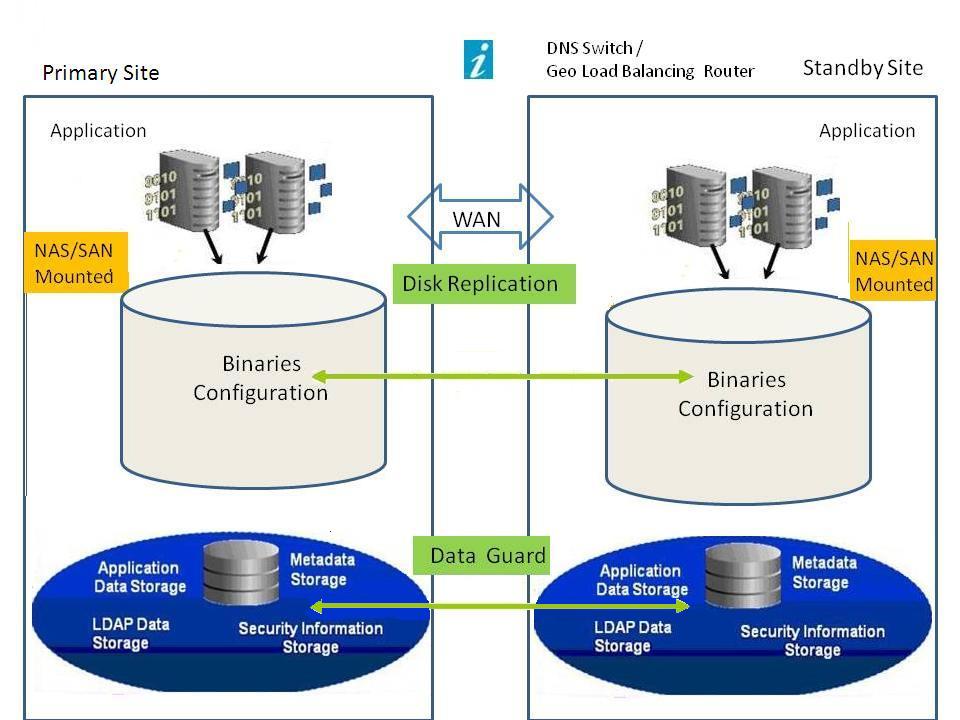
Hyperion Disaster Recovery is a critical part of protecting Oracle EPM environments that support planning, close, consolidation, reporting, and executive decision-making. When a system outage, infrastructure failure, or site-level disruption occurs, the ability to restore Hyperion applications quickly can determine whether the business maintains continuity or faces major operational and financial disruption.
For many organizations, the risk is not only the loss of server availability. It also includes interruption of scheduled jobs, delayed close cycles, inaccessible reports, broken integrations, and loss of confidence in critical finance processes. A practical disaster recovery strategy helps reduce that risk by establishing a clear approach for recovery, failover, validation, and ongoing resilience planning.
Strong Hyperion Disaster Recovery planning should align both technical recovery steps and business recovery expectations. It is not enough to copy infrastructure. The recovery model also needs to support application behavior, data synchronization, user access, and operational procedures that matter during a real incident.
What a Hyperion Disaster Recovery strategy should include
Oracle Hyperion environments often involve multiple connected services, databases, application components, integrations, and reporting layers. Because of that complexity, disaster recovery needs more than a generic backup plan. Teams should define how the environment will be replicated, how services will be restored, how data consistency will be verified, and how the business will confirm the recovered environment is actually usable.
A complete approach often includes production and standby planning, recovery procedures for each key application, infrastructure coordination, testing cycles, and documentation that can be followed under pressure. In many environments, distributed services also need to be considered carefully so that the recovered site reflects the logic of the production environment as closely as possible.
- Environment architecture: define production, standby, and replication design clearly
- Application recovery steps: document restore and restart procedures for each key Hyperion component
- Data protection: validate backup, synchronization, and database recovery approach
- Operational testing: rehearse failover and recovery to confirm the plan works in practice
- Business validation: confirm reports, jobs, integrations, and user access after recovery
- Governance and documentation: keep ownership, runbooks, and escalation paths current
Testing is especially important. Many disaster recovery plans look complete on paper but fail when teams discover missing dependencies, outdated credentials, inconsistent storage, or application-specific recovery gaps. Regular validation helps expose those issues before a real outage does.
How disaster recovery planning improves business continuity
Hyperion Disaster Recovery planning improves more than technical resilience. It also supports finance continuity by reducing uncertainty around what happens during an outage. Teams that know how recovery will work are better positioned to respond calmly, coordinate decisions faster, and restore confidence in the platform more quickly.
Another important benefit is stronger governance. Building a recovery strategy often forces organizations to clarify environment ownership, document support procedures, and identify weak points that may not be visible during normal operations. That process alone can improve day-to-day reliability, even if the disaster recovery plan is never activated.
It can also help leadership understand how recovery objectives connect to business priorities. When recovery time expectations, data tolerances, and support responsibilities are clearly documented, the organization can make better decisions about investment, risk tolerance, and operational readiness.
Oracle’s own Enterprise Performance Management documentation can also help teams understand product architecture, administration considerations, and platform dependencies as they build recovery strategies. Review the Oracle Enterprise Performance Management documentation for additional reference. If your organization is also thinking about broader support readiness, related capabilities such as Hyperion Cloud Services can complement a strong resilience model.
MindStream Analytics helps organizations design practical Hyperion Disaster Recovery strategies that support Oracle EPM continuity, reduce downtime risk, and align technical recovery planning with business priorities. With the right preparation, companies can protect critical financial processes and respond more effectively when disruption occurs.