NetSuite PBCS Integration: Powerful Benefits for Smarter Planning

  • Home  
  • NetSuite PBCS Integration: Powerful Benefits for Smarter Planning

NetSuite PBCS Integration: Powerful Benefits for Smarter Planning

NetSuite PBCS integration helps finance teams create a stronger connection between operational data and enterprise planning. When ERP information and planning models are aligned, organizations can budget with greater confidence, refresh forecasts faster, and reduce the friction caused by manual exports, spreadsheet manipulation, and disconnected assumptions. For companies trying to improve visibility across finance, operations, and leadership reporting, this connection can make a meaningful difference.

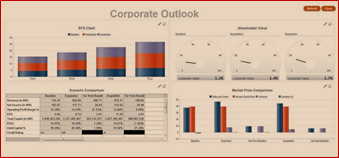
NetSuite PBCS integration planning workflow

Why NetSuite PBCS integration matters for planning

Planning teams depend on timely, trusted data. If actuals arrive late, if mappings are inconsistent, or if planners spend too much time validating source files, the budgeting and forecasting process slows down. A well-designed integration approach helps reduce those issues by moving the right data into the right planning structures with better consistency and control. That gives finance teams more time to analyze performance, evaluate scenarios, and respond to changing conditions.

It also supports better collaboration. Executives, controllers, FP&A teams, and operational leaders all need a shared view of business drivers. When ERP and planning data work together more smoothly, conversations become more productive because stakeholders are looking at a more reliable version of the numbers.

How connected data improves forecasting and budgeting

One of the biggest benefits of stronger integration is speed. Teams can update forecasts more efficiently when actuals and planning inputs are easier to align. This supports rolling forecasts, scenario planning, and more disciplined budget management throughout the year. It also helps reduce time spent on repetitive data preparation, which is often one of the biggest hidden costs in the planning cycle.

Better connected data can also improve accuracy. Standardized movement of information between systems helps teams reconcile differences earlier, identify gaps faster, and build more dependable models. Instead of chasing mismatches between reports and planning tools, finance leaders can focus on actions that improve performance.

What a strong integration approach should solve

A practical solution should do more than move data from one system to another. It should support governance, repeatability, and maintainability so the process remains useful as the business grows.

  • Reduce manual exports, copy-paste work, and repetitive reconciliations.
  • Support timely updates for budgets, forecasts, and management reporting.
  • Improve consistency between source data and planning assumptions.
  • Make integration ownership and maintenance easier over time.
  • Strengthen confidence in planning outputs used by finance leadership.

Business value beyond technical connectivity

NetSuite PBCS integration is most valuable when it supports business outcomes, not just technical completion. Organizations often pursue integration because they want a better close-to-plan process, stronger visibility into trends, and faster response to market changes. When the design is aligned to those goals, the planning environment becomes more useful across budgeting, forecasting, reporting, and executive decision-making.

This is especially important for growing companies. As data volume, organizational complexity, and reporting expectations increase, disconnected planning workflows become harder to sustain. A more structured integration model helps create a scalable foundation for finance transformation.

Why MindStream Analytics

MindStream Analytics helps organizations connect strategy, systems, and finance processes in a way that is practical for real teams. We work with clients to improve planning workflows, reduce technical friction, and create better alignment between business needs and platform capabilities. Whether the priority is budgeting efficiency, forecast responsiveness, or long-term planning maturity, our focus is on making the solution useful and sustainable.

For related resources, explore our NetSuite Oracle PBCS page and NetSuite PBCS Demo page. For additional product context, visit Oracle Planning and Budgeting Cloud Service. If you want to discuss your own planning environment, visit our contact page.

With the right approach, NetSuite PBCS integration can support faster planning cycles, clearer insight, and better decisions across the business.